Drones are allowed in the United States for recreational and commercial use, subject to FAA and local regulations. Official links and USA Drone Laws explained for residents and visitors, hobbyists, recreational, commercial drone flyers.
Hobbyist Drone Laws For Residents of the USA
Drone Operations in the USA are regulated.
- Hobbyist drone flights are allowed
- Hobbyist drone pilot license may be required for certain operations.
- A TRUST Test is required.
- Hobbyist Drone registration is required for hobbyists flying a drone of more than 0.55 lbs.
- Drone Remote ID is required for hobbyists.
- Drone Insurance is not required but recommended for hobbyists’ drone operations
Read below for more details on Hobbyist Drone Laws in the USA and to find links to regulators and other credible sources!

Agencies Responsible for regulating drones in the United States of America
Drone Regulator in the USA: Federal Aviation Administration (FAA)
Contact Information
If you need additional details we have not covered or specific case assistance, you can contact the FAA directly at:
- Address: 800 Independence Avenue, SW, Washington, DC 20591
- Phone: 844-FLY-MY-UA (+1 844-359-6982) (Some users have indicated that this number tells you to use the email below and hangs up)
- Email: UAShelp@faa.gov
Please continue reading for more details on USA Drone Laws.
UAS Laws – General rules for flying drones in the USA
The USA agency responsible for drone safety, FAA, has provided many internet-accessible details on flying for fun or work. The highlights are enumerated below. For more details, click on the link above.
Are drones allowed in the USA?
Drones are allowed in the United States for recreational and commercial use, subject to FAA and local regulations. Read on for details on the Federal drone laws in the USA.
What you must know about USA No Fly Zones or No Drone Zones
You need to know if you can operate your drone. Under what limitations? Will you need flight authorisations? And, if so, how do you get those authorisations?
We encourage you to read our explainer. It provides more details here: Explainer – What You Must Know About No Fly Zones or No Drone Zones
How do I check for no-fly zones, no-drone zones, and uncontrolled or controlled airspace in The USA?
The FAA has partnered with several partners to develop B4UFLY mobile apps. Theses app can tell you if there are any airspace restrictions where you want to fly.
If you are looking for a drone no-fly zone map, then B4UFLY is a good place to start.
The app provides situational awareness to recreational flyers and other drone users. You will need airspace authorisations to fly in controlled airspace. This app does not allow you to get airspace authorisations. Authorisations are available through the FAA’s Low Altitude Authorisation and Notification Capability (LAANC).
The B4UFLY app is available to download for free:
B4UFLY Desktop and Mobile Applications
| Approved Service Provider (click on name to go to website) | App on iOS | App on Android | Desktop |
| Airspace Link | Yes | Yes | Yes |
| AutoPylot | Yes | Yes | |
| Avision | Yes | Yes | Yes |
| UASidekick | Yes | Yes | Yes |
How do I get authorisation to fly in controlled airspace in The USA?
The FAA runs Low Altitude Authorisation and Notification Capability (LAANC). It is the only way to get permission to fly in controlled airspace.
LAANC is available to drone pilots. It applies if you are operating under the Small UAS Rule Part 107. And it applies if you are operating under the exception for Recreational Flyers.
You can get access through one of the FAA-approved LAANC UAS Service Suppliers. Some providers have apps that can be used to apply for approval in near-real time.
The companies above (with B4UFLY capabilities) are also FAA-approved UAS Service Suppliers of the Low Altitude Authorisation and Notification Capability.
There are two ways to use LAANC:
- Submit a near real-time authorisation request for operations. Applies to flights under 400 feet in controlled airspace around airports. This is available to Part 107 Pilots and Recreational Flyers.
- Submit a “further coordination request.” This applies if you need to fly above the designated altitude ceiling in a UAS Facility Map, up to 400 feet.
- You can apply up to 90 days before a flight. The approval is coordinated manually through the FAA. This is available to Part 107 pilots only.
LAANC is available at 726 airports. Use the manual process to apply for authorisations for airports not offering LAANC.
Drone Laws Private Property
Can you fly a drone over private property? Yes, you can fly your drone over private property, unless the property is restricted (in a no fly zone or through local regulations).
All drone operations should be conducted within privacy rules and safely. Several states and local jurisdictions (e.g. Florida) have rules that prohibit using a drone to capture an image of privately owned property, tenant or occupant without consent. Check local privacy rules.
You are not allowed to take off from or land your drone on private property without the owners permission.
Property owners concerned about intrusive drone activity may not interfere with such drones. You should document any activity preferably with video capture and contact your local law enforcement.
Notes for recreational drone pilots flying for fun in the USA
If you have a small drone of less than 55 pounds, you can fly recreationally by following Drone Laws in the USA defined by 49 USC 44809.
In the USA, recreational UAS operations (i.e., flying for recreational purposes) are approved under law, specifically 49 USC 44809.
Following these rules will keep you and your drone safe. And that helps keep the airspace available to everyone.
All recreational flyers must pass an aeronautical knowledge and safety test. The Recreational UAS Safety Test (TRUST) meets this rule. If law enforcement or FAA personnel ask, you must provide proof of passage.
TRUST provides education and testing on important safety and regulatory information. If you fly your drone recreationally under the Exception for Recreational Flyers, you must pass the test before you fly.
Note: If your drone weighs more than .55 pounds (lbs), you must register your drone through the FAA’s Drone Zone.
For a complete discussion on drone registration, see our Drone Registration Explainer.
To fly your drone as a recreational flyer, it’s as easy as 1-2-3
- Understand recreational flying requirements.
- Note: Non-recreational drone use is when you fly drones for business or to help out, not just for fun. For example, real estate agents may use drones to photograph houses they sell. Roof inspectors might use drones to get a closer look at roofs. A high school might have someone fly a drone to record football games and post videos on their website. Doing volunteer work with drones also counts as non-recreational use. So, non-recreational drone use is any time you operate a drone for useful work. Or help others out. It is when you are not just doing it to enjoy flying it for hobby or sport. If you’re unsure which rules apply to your flight, fly under Part 107 (See below).
- Visit the Recreational Flyers page to learn about the rules for recreational flyers.
- Download the FAA’s B4UFLY mobile app for more recreational drone flying resources.
- Take TRUST
- You may take the free online test through any FAA-approved test administrators.
- All FAA-approved TRUST test administrators offer the test free.
- All test questions are correctable to 100% before issuing your completion certificate.
- After completing TRUST, you must download, save, or print your completion certificate.
- If you lose your certificate, you will need to retake TRUST.
- View a list of TRUST Test Administrators
- Receive your certificate
- After you pass the test, you will receive a certificate. The test administrator you selected gives you your certificate.
- Test administrators will not keep a record of your certificate. If law enforcement officers ask, you must present a copy of your certificate.
General Rules for Recreational Flyers
USC44809 is the Exception for Limited Recreational Operations of Unmanned Aircraft. The law describes how, when, and where you can fly drones for recreational purposes. Following these rules helps keep people, your drone, and our airspace safe:
- Fly only for recreational purposes (personal enjoyment).
- Follow the safety guidelines of an FAA-recognized Community-Based Organization (CBO). Read Advisory Circular 91-57C. It provides more information on how to become an FAA-recognized CBO,
- Keep your drone within the visual line of sight. Or use a visual observer who is physically next to you and directly communicating with you.
- Give way to and do not interfere with other aircraft.
- Fly at or below FAA-authorised altitudes in controlled airspace with prior FAA authorisation. Controlled airspace is Class B, C, D, and surface Class E designated for an airport. Get your FAA authorisation using LAANC or DroneZone.
- Fly at or below 400 feet in Class G (uncontrolled) airspace. Note: Flying drones in restricted airspace is not allowed. Before the flight, drone pilots should always check for airspace restrictions. You can do so on the B4UFLY app or the UAS Facility Maps webpage.
- Take The Recreational UAS Safety Test (TRUST) and carry proof of test passage when flying.
- Have a current FAA registration. Mark (PDF) your drones on the outside with the registration number. And carry proof of registration when flying. Starting September 16, 2023, registered drones must broadcast Remote ID information. The FAA temporarily delayed enforcement to March 16, 2024. That law is now in place and being enforced.
- Do not operate your drone in a manner that endangers the safety of the national airspace system.
Recreational drone pilots must not violate safety requirements. Nor should they operate their drone flight carelessly or recklessly. You could be liable for criminal and/or civil penalties if you do.
You do not need a drone license if your drone use is recreational and falls within the scope of 44809. But, to fly your drone commercially, you must first get a Remote Pilot Certificate (RPC). This is also true for flights under the FAA’s Small UAS Rule (Part 107). The RPC is also known as a drone license or a Part 107 certificate. You may want to get your drone license for the flexibility it allows in your drone flights.
For more details on drone licensing, please see our Drone License Explainer.
For more information, read Advisory Circular 91-57B.
Changes Coming in the Future
The law also requires:
- The FAA to issue guidance for how it will recognize community-based organizations.
The FAA is incrementally rolling out these features and requirements.
Check the FAA website for the latest updates.
Commercial Drone Laws For Residents of the USA
Drone Operations in the USA are regulated.
- Commercial drone flights are allowed
- A commercial drone pilot license is required
- Commercial Drone registration is required in the USA
- Drone Remote ID is required for Commercial Drone Operators.
- Drone Insurance is not required but recommended for commercial drone operations
Read below for more details on Commercial Drone Laws in the United States and to find links to regulators and other credible sources!

Notes for operating Commercial Drone Services in the USA
If you have a small drone under 55 pounds, you can fly for work or business by following the Part 107 guidelines.
For a complete review of the FAA Part 107 regulation, please see our comprehensive FAA 107 Explainer.
Note: The Operations Over People rule became effective on April 21, 2021. Drone pilots operating under Part 107 may fly at night, over people and moving vehicles without a waiver as long as they meet the requirements defined in the rule. Airspace authorisations are still required for night operations in controlled airspace under 400 feet.
If you have a small drone of fewer than 55 pounds, you can fly for work or business by following the Part 107 guidelines. There are three main steps to fly under Part 107 rules.
Step 1: Learn the Rules
Ensure you understand what is and is not allowed under Part 107 rules.
If you are unsure if Part 107 rules work for you and your intended operation, check our user identification tool.
Some operations will need a waiver. Here are the regulations specified in §107.205 that are subject to waiver:
- Operation from a moving vehicle or aircraft – §107.25
- Operation at Night – §107.29(a)(2) and (b)
- Visual line of sight aircraft operation – §107.31
- Visual observer – §107.33
- Operation of multiple small unmanned aircraft systems – §107.35
- Yielding the right of way – §107.37(a)
- Operation over human beings – §107.39
- Operation in certain airspace – §107.41
- Operating limitations for small unmanned aircraft – §107.51
- Operations Over Moving Vehicles – §107.145
Learn more about Part 107 Waivers.
Drone operators should avoid flying near airports. It is difficult for crewed aircraft to see and avoid a drone while flying. Remember that the drone operator must avoid manned aircraft. You are responsible for any safety hazard your drone creates in an airport environment.
Step 2: Become an FAA-Certified Drone Pilot by Passing the Knowledge Test
For more details on drone licensing, please see our Drone License Explainer.
To be eligible to get your Remote Pilot Certificate, you must be:
- At least 16 years old
- Able to read, write, speak, and understand English
- Be in a physical and mental condition to safely fly a UAS
Study for the Knowledge Test
- Review Knowledge Test Suggested Study Materials provided by the FAA.
Get an FAA Tracking Number (FTN)
- Create an Integrated Airman Certification and Rating Application (IACRA) profile. Then, register for the knowledge test.
Schedule an Appointment
- Take the Knowledge Test at an FAA-approved Knowledge Testing Center.
Complete FAA Form 8710-13
- Once you’ve passed your test for a remote pilot certificate (FAA Airman Certificate and/or Rating Application), log in to the FAA Integrated Airman Certificate and/or Rating Application System (IACRA)* to complete FAA form 8710-13.
- Review the entire process to get your Remote Pilot Certificate.
Step 3: Register your Drone with the FAA
For a complete discussion on drone registration, see our Drone Registration Explainer.
Registration costs $5 and is valid for three years. You’ll need a credit or debit card and the make and model of your drone handy to register. Learn more about registering your drone.
- Create an account and register your drone at FAADroneZone. Select “Fly sUAS under Part 107.”
- Once you’ve registered, mark your drone (PDF) with your registration number. The number will be helpful in case it gets lost or stolen.
Remember:
- Always fly your drone safely and within FAA guidelines and regulations.
- As a drone pilot, it is up to you to know the Rules of the Sky and where it is and is not safe to fly.
- Aren’t sure if Part 107 is right for you and your operation? Try our user identification tool or contact us for more information.
Drone Laws For Foreign Visitors To the USA (not USA Residents)
Drone Operations in the United States are regulated.
- Foreign visitor drone flights are allowed in the USA
- Foreign visitor drone pilot license is required
- Drone registration is required for visitors/tourists
- Drone Remote ID is required in the USA for tourists..
- Drone Insurance is not required but recommended for tourist drone operations
Read below for more details on Drone Laws in the USA for Visitors (Tourists) and to find links to regulators and other credible sources!
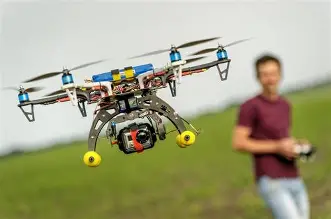
- Foreign visitor drone flights are allowed in the USA
- Foreign visitor drone pilot license is required
- Drone registration is required for visitors/tourists
- Drone Remote ID is required in the USA for tourists..
- Drone Insurance is not required but recommended for tourist drone operations
Useful published information on flying drones in the USA
Here is a sample of what you might expect if you follow the drone laws and fly in Trinidad and Tobago…
Authoritative Sources of Information on the USA Drone Laws
We will attempt to keep an updated list of online authoritative links to regulators and other official websites here:
- Drone Regulator Website: FAA Drone Website: https://www.faa.gov/uas/
- Link To SUAS Laws: 49 USC 44809 or 14 CFR Part 107 Small Unmanned Aircraft Systems
- State-Specific Laws: See sections above.
- No Fly Zone Maps/Locations: See No Fly Zone Section above – B4UFLY – https://b4ufly.aloft.ai/
- UAV Registration Site: FAADroneZone
- Drone Operator Licensing Site: TRUST or FAA in person (see sections above)
- The Recreational UAS Safety Test: The Recreational UAS Safety Test (TRUST)
- Others: Association for Unmanned Vehicle Systems International – Mostly for commercial drone service providers and users.
- Others: Academy of Model Aeronautics – Mostly for hobbyists
- Others: US Forest Service Recreational Drone Tips
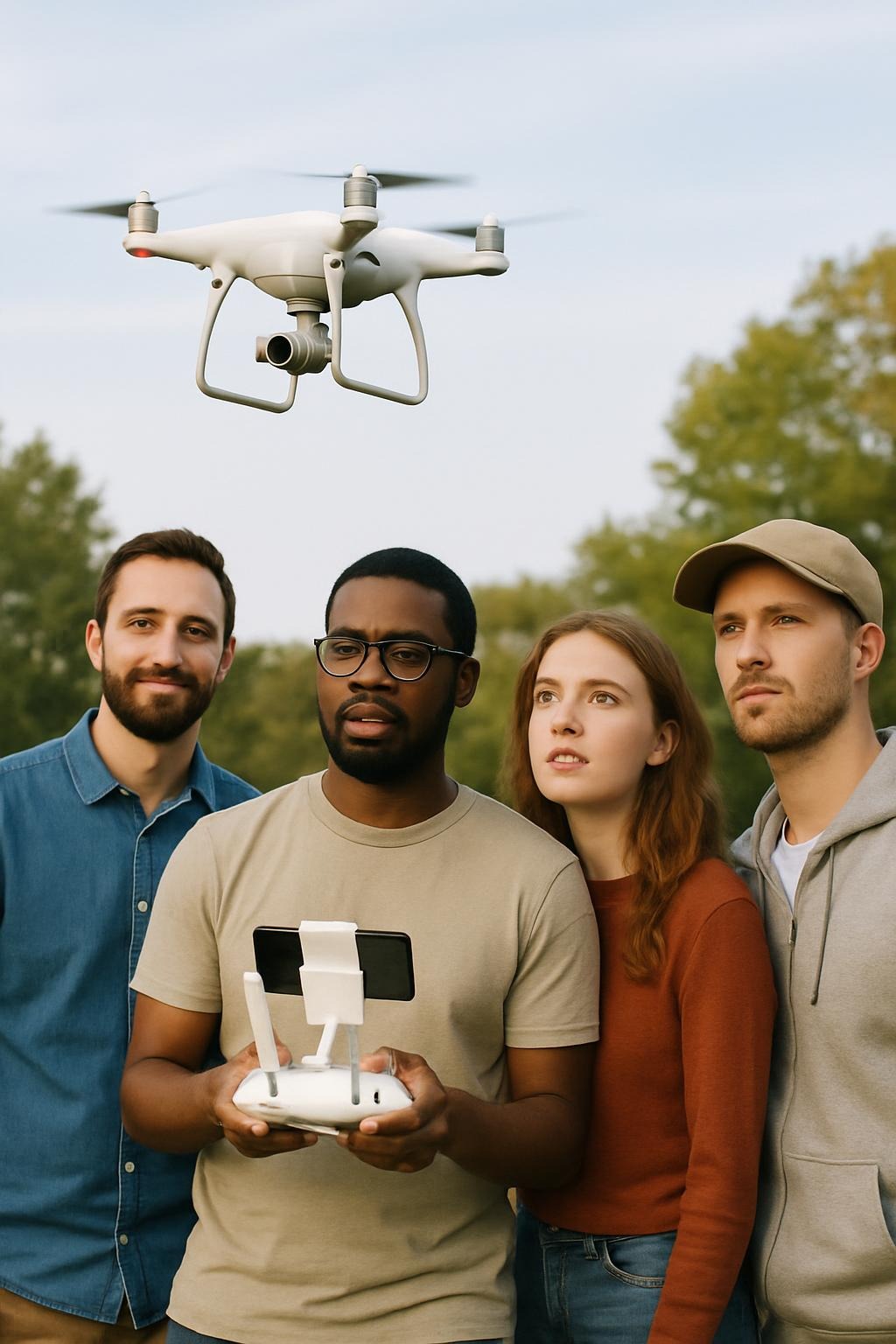

Phil Says: ‘ This page is about the Regulation of Unmanned Aerial Vehicles: Small Unmanned Aerial Systems (SUAS), Small UAS, Remote Piloted Aerial Systems (RPAS), unmanned aerial vehicle (UAV), Unmanned Aerial System (UAS), and drone are interchangeable terms unless specified. Model Aircraft, toy, remote-controlled, and RC aircraft may be covered by the same regulations unless specified.’
mavicandme.com would like to thank dronelaws.com for information used in this section.