
Environmental.
The Role of Drones in Environmental Services
Drones, or unmanned aerial vehicles (UAVs), have rapidly become one of the most versatile tools in environmental services, offering a unique combination of efficiency, safety, and precision. Their ability to capture high-resolution data from the air without disturbing ecosystems has transformed how we monitor, protect, and restore the natural world.
1. Wildlife Monitoring and Conservation
Drones allow researchers to observe animal populations from above, reducing the need for intrusive ground surveys. They can track migration patterns, monitor endangered species, and even detect poaching activity in remote areas. Thermal imaging cameras help locate animals at night or in dense vegetation, ensuring more accurate population counts.
2. Forest and Vegetation Management
Forestry teams use drones to map tree cover, assess forest health, and detect early signs of disease or pest infestations. In reforestation projects, drones can even disperse seeds over large, hard-to-reach areas, accelerating habitat restoration.
3. Climate Change Research
From measuring glacier retreat to tracking coastal erosion, drones provide scientists with precise, repeatable aerial data. This helps in understanding the pace and impact of climate change, enabling better-informed policy and conservation strategies.

4. Pollution Detection and Environmental Compliance
Equipped with specialized sensors, drones can detect air and water pollution, monitor industrial emissions, and ensure compliance with environmental regulations. They can quickly assess oil spills, chemical leaks, or illegal dumping sites without putting human inspectors at risk.
5. Disaster Response and Recovery
In the aftermath of floods, wildfires, or hurricanes, drones can rapidly survey affected areas, identify hazards, and guide rescue or cleanup teams. Their ability to access dangerous or inaccessible locations makes them invaluable for environmental disaster management.
6. Agricultural Sustainability
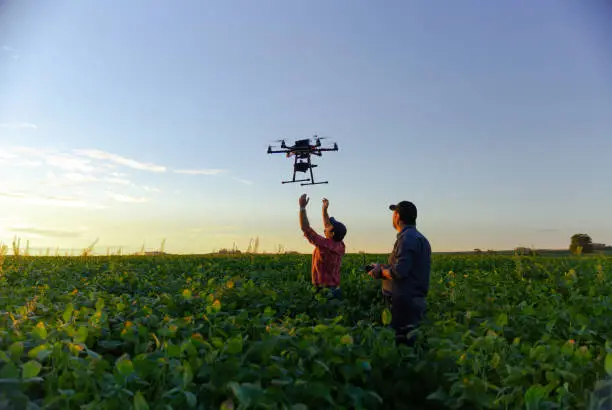
In precision agriculture, drones help farmers monitor crop health, optimize irrigation, and reduce pesticide use. This not only boosts yields but also minimizes environmental impact, supporting more sustainable farming practices.
7. Marine and Coastal Protection
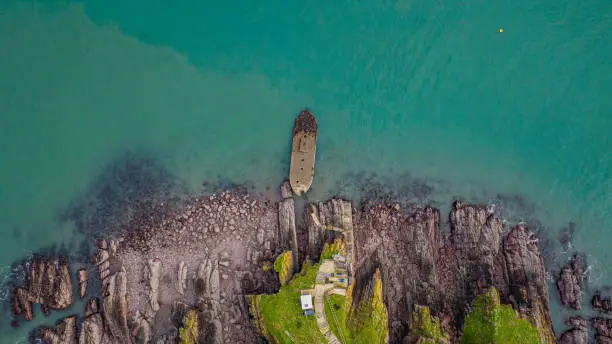
Drones can monitor coral reefs, track illegal fishing, and map coastal habitats. They provide a safer, faster, and more cost-effective alternative to manned aircraft or boats for marine conservation work.

In a Nutshell
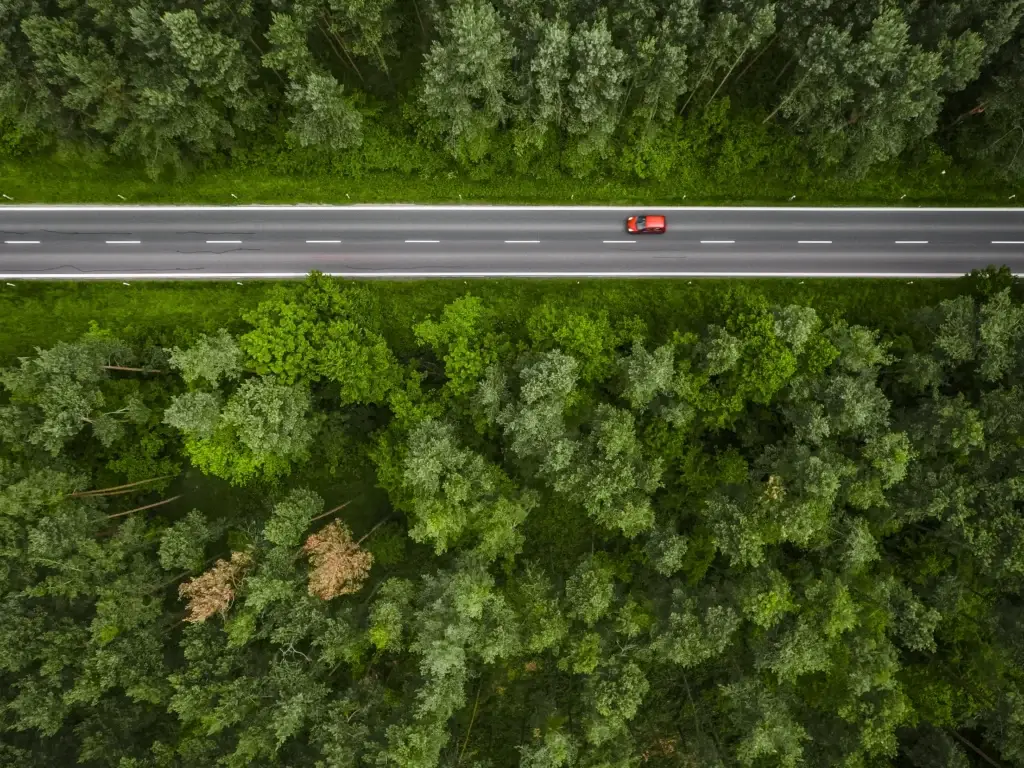
Drones have become a game-changer in environmental services, offering a bird’s-eye view that is both detailed and non-invasive.
They save time, reduce costs, and improve safety while delivering critical data for protecting our planet.
As technology advances, their role in environmental stewardship will only grow, making them an indispensable ally in the fight to preserve Earth’s natural resources.